How to Shop Your Closet: Stop Buying Clothes You Don’t Wear
“I have nothing to wear.”
We’ve all said it while standing in front of a packed closet. The truth? You probably have plenty to wear – you’re just not seeing it.
The average person wears only 20% of their wardrobe regularly. That means 80% of your clothes are just… sitting there. Forgotten. Unworn. Taking up space.
But here’s the thing: before you buy something new, I want you to try something radical. Shop your own closet.
“Shopping your closet” means rediscovering what you already own, creating new outfit combinations, and falling back in love with clothes you’ve forgotten about. It saves money, reduces waste, and often results in some of your best outfits.
Let me show you exactly how to do it.
Why We Stop Wearing Clothes We Own
Before we solve the problem, let’s understand it.
Reason 1: Out of Sight, Out of Mind
If you can’t see it, you won’t wear it. Clothes buried in the back of your closet might as well not exist.
Reason 2: Lack of Outfit Ideas
You know you love that skirt, but you always wear it the same way. Without new styling ideas, pieces feel boring.
Reason 3: Doesn’t Fit Current Lifestyle
That cocktail dress was perfect when you went out every weekend. Now? Not so much.
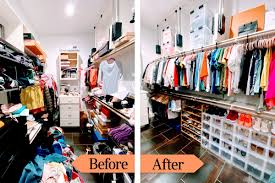
Reason 4: Poor Organization
When your closet is chaos, getting dressed is overwhelming. So you reach for the same 5 easy pieces.
Reason 5: Emotional Association
You bought it on a bad day, it was a gift you felt obligated to keep, or it reminds you of a difficult time. So you don’t wear it.
Reason 6: Condition Issues
Missing button, small stain, needs hemming – minor issues that feel major.
Reason 7: Shopping Habit
You’re so used to buying “new” that you forget to appreciate what you have.
The Shop Your Closet Method: Step-by-Step
Phase 1: The Complete Closet Audit (2-3 Hours)
Set aside a morning or afternoon. Make it fun – play music, pour some wine, invite a stylish friend.
Step 1: Empty Everything
Yes, everything. Remove all clothes from:
- Closet
- Drawers
- Under-bed storage
- That chair in your bedroom (you know the one)
- Anywhere else you stash clothes
Lay it ALL on your bed.
Step 2: Sort Into Categories
Create piles:
- Tops (tees, blouses, sweaters)
- Bottoms (pants, skirts, shorts)
- Dresses
- Outerwear
- Shoes
- Accessories
Seeing everything grouped helps you understand what you have.
Step 3: Try Everything On
I know, I know. It sounds exhausting. But this is crucial.
For each item, ask:
Fit:
- Does it fit my body RIGHT NOW?
- Is it comfortable?
- Does it need alterations?
Condition:
- Is it in good shape?
- Are there stains, tears, missing buttons?
- Can it be repaired easily?
Style:
- Do I love how I look in this?
- Does it fit my current style?
- Would I buy it again today?
Lifestyle:
- Do I have occasions to wear this?
- Does it fit my current life?
- Is it practical for my routine?
Joy:
- Does wearing this make me happy?
- Or is it just… taking up space?
Step 4: Create Three Piles
KEEP:
- Fits well
- Good condition
- Love it
- Wear it (or will wear it)
MAYBE:
- Not sure
- Needs repair
- Sentimental
- Expensive but don’t wear
DONATE/SELL:
- Doesn’t fit (and won’t anytime soon)
- Hasn’t been worn in a year
- Don’t love it
- Wrong for lifestyle
Phase 2: Deal with the “Maybe” Pile
The “maybe” pile is the hardest. Let’s work through it.
For Each “Maybe” Item:
1. The 30-Day Test
- Put it in a separate section of your closet
- If you don’t reach for it in 30 days, it’s a donate
2. The Repair Assessment
- Is the fix quick/affordable? (Do it immediately)
- Is it expensive/complicated? (Consider cost vs. value)
- Will you actually do it? (Be honest)
3. The Sentimental Question
- Does it hold memories?
- If yes: Take a photo, then donate (memories stay)
- Or keep only truly special pieces
4. The Cost Per Wear
- Expensive but never worn? Sunk cost fallacy
- Better to donate than let it guilt you forever
5. The “Ideal Life” Test
- Are you keeping it for who you wish you were?
- Or for who you actually are?
- Donate the fantasy, keep the reality
Phase 3: Organize Strategically
How you organize determines what you wear.
Closet Organization System:
By Category First:
- All tops together
- All bottoms together
- All dresses together
- All outerwear together
Then By Color (ROYGBIV + Neutrals):
- Red
- Orange
- Yellow
- Green
- Blue
- Purple
- Black/Grey/White/Beige
Why This Works:
- Easy to find things
- Easy to coordinate colors
- Visually pleasing (matters more than you think)
- Makes getting dressed faster
Pro Tips:
- Face all hangers the same direction
- Use matching hangers (creates visual calm)
- Store seasonal items elsewhere
- Keep frequently worn items at eye level
Drawer Organization:
Use Dividers:
- Fold clothes vertically (file folding method)
- See everything at once
- Nothing gets buried
Organize By:
- Type (all tanks together, all tees together)
- Then by color
- Most worn items in front
Shoe Storage:
Options:
- Clear boxes (see everything)
- Shoe shelf (organized and visible)
- Over-door organizer
- Under-bed storage (seasonal)
Pro Tip: Take photos of shoes in boxes so you don’t have to open them all
Accessory Storage:
Jewelry:
- Hang necklaces to avoid tangles
- Small trays for rings/earrings
- See-through organizers
Bags:
- Shelf storage (stuffed with tissue)
- Hooks for daily bags
- Dust bags for special pieces
Scarves/Belts:
- Hooks or rings
- Organized and visible
- Easy to grab
Phase 4: Create Outfit Combinations
Now for the fun part – rediscovering your wardrobe!
The Outfit Formula Method:
Most great outfits follow formulas. Let’s create yours.
Formula 1: Casual Day
- Basic top + jeans + jacket + sneakers
- Try with different pieces from your wardrobe
Example Combinations from YOUR Closet:
- White tee + black jeans + denim jacket + white sneakers
- Striped tee + blue jeans + blazer + canvas sneakers
- Tank top + black jeans + cardigan + slip-on sneakers
Formula 2: Work-Appropriate
- Blouse + trousers + blazer + flats/heels
- Dress + blazer + heels
- Sweater + skirt + flats
Example Combinations:
- White shirt + black pants + navy blazer + nude pumps
- Printed blouse + gray pants + black blazer + black flats
- Cashmere sweater + midi skirt + loafers
Formula 3: Date Night
- Nice top + jeans + heels + statement jewelry
- Dress + jacket + heels
- Skirt + blouse + heels
Formula 4: Weekend Easy
- Comfortable top + casual bottom + easy shoes
- Dress + jacket + casual shoes
- Jumpsuit + sneakers
The Mix-and-Match Challenge:
For One Week:
- Pick 10 pieces from your closet
- Create 7 different outfits
- Only using those 10 pieces
- Take photos of what works
This Exercise Teaches You:
- How versatile your clothes really are
- What gaps exist in your wardrobe
- What you actually need (vs. want)
- New styling ideas
The Remix Method:
Take your 5 most-worn pieces and style them differently.
Example: That Black Tee You Always Wear
Outfit 1: Black tee + jeans + sneakers (your usual) Outfit 2: Black tee + midi skirt + heels (dressy) Outfit 3: Black tee + blazer + trousers (professional) Outfit 4: Black tee + leather jacket + black jeans (edgy) Outfit 5: Black tee (knotted) + high-waisted shorts (casual summer)
See? One basic piece, five completely different looks.
Phase 5: Document Your Outfits
Why Take Photos?
When you’re rushing in the morning, you forget what works. Documentation helps.
Methods:
1. Phone Photo Album
- Create “Outfit Ideas” album
- Photo each good combination
- Look through when stuck
2. Apps:
- Cladwell – Digital wardrobe + outfit ideas
- Stylebook – Catalog clothes, create outfits
- Whering – Sustainable outfit planning
- Pureple – AI-powered outfit suggestions
3. Pinterest Board
- Create private “My Outfits” board
- Pin photos of outfits you’ve worn
- Add inspirational similar looks
- Reference when getting dressed
4. Notes App
- Write outfit formulas that work
- “Blue jeans + white tee + blazer = works”
- Quick reference list
Phase 6: The No-Buy Challenge
Now that you’ve shopped your closet, challenge yourself not to buy anything new.
The 30-Day No-Buy Challenge:
Rules:
- No buying clothes for 30 days
- Only wear what you already own
- Get creative with styling
- Document new outfit combinations
What You’ll Learn:
- You have MORE than enough
- Creativity flourishes within limits
- Shopping was often habit, not need
- Saves significant money
Exceptions (If Needed):
- Replacing underwear/basics that wear out
- Necessary professional attire for new job
- Clothing for specific event (wedding, etc.)
- True wardrobe gap (one pair of jeans that dies)
After 30 Days:
- Most people extend it
- Shopping urges decrease
- Appreciation for what you own increases
- Saves hundreds of dollars
Advanced Techniques: Shopping Your Closet Like a Pro
The “New” Item Technique
Make old items feel new:
1. Get It Cleaned/Repaired
- Professional cleaning makes clothes feel new
- Fix that button, hem, or stain
- Suddenly wearable again
2. Style It Differently
- Wear it backwards (some pieces work!)
- Belt where you didn’t before
- Layer in new ways
- Tuck/untuck/half-tuck
- Roll sleeves differently
3. Pair with Unexpected Pieces
- That dressy blouse? Try with jeans
- That casual tee? Try under a blazer
- Mix formal + casual
- Break your own “rules”
The Capsule Wardrobe Within Your Closet
Create mini-capsules from what you own:
Work Capsule:
- 3 tops
- 2 bottoms
- 1 dress
- 1 blazer
- 1 pair shoes = 2 weeks of work outfits
Weekend Capsule:
- 3 casual tops
- 2 jeans/casual bottoms
- 2 pairs shoes = Endless weekend looks
This Technique:
- Makes getting dressed easier
- Helps identify real gaps
- Rotates regularly to keep fresh
- Simplifies decision fatigue
The “One In, One Out” Rule
Once you’ve shop your closet:
New Rule: For every new item you bring in, one old item goes out.
Why It Works:
- Keeps closet size manageable
- Forces you to consider: “What would I remove?”
- Prevents accumulation
- Makes you choosier about purchases
How to Implement:
- Bought a new white tee? Donate the old one
- New jeans? Out with the worn pair
- New dress? Which dress haven’t you worn?
Identifying True Wardrobe Gaps
After shopping your closet, you might identify REAL gaps.
True Gap vs. False Gap:
True Gap:
- You need it regularly
- Nothing in closet fills this role
- Would get worn minimum 30 times
- Fits current lifestyle
- Missing for over 3 months
False Gap:
- Want it but wouldn’t really wear
- Similar items already exist
- For fantasy life, not real life
- Impulse desire
- Trending but not your style
Common True Gaps:
- White tee (if yours are worn out)
- Well-fitting jeans (if you have none)
- Professional blazer (if your job needs it)
- Weather-appropriate coat
- Comfortable everyday shoes
Common False Gaps:
- Another black tee (you have 12)
- Trendy piece you “might” wear
- Clothes for occasions that don’t exist
- Duplicates of things you like
- “Just in case” items
The Psychological Shift: From Consumer to Curator
Shopping your closet requires mindset change.
From:
- “I need new clothes”
- “I have nothing to wear”
- “Shopping makes me happy”
- “I deserve this”
- “It’s on sale!”
To:
- “I have plenty, I just need to style it differently”
- “I have many options, I just need to rediscover them”
- “Creating outfits makes me happy”
- “I deserve to appreciate what I have”
- “Saving money makes me happier than stuff”
The Mental Shift:
You’re not depriving yourself by not shopping. You’re:
- Appreciating what you have
- Being creative
- Saving money for experiences
- Reducing waste
- Defining yourself beyond consumption
- Finding joy in what exists
When You Actually SHOULD Buy Something New
Shopping your closet doesn’t mean never shopping again.
Buy New When:
✓ You’ve worn something to death and it’s unwearable
✓ You’ve identified a true gap (and waited 30 days)
✓ Your lifestyle has genuinely changed
✓ You’ve sold/donated 5+ items and need replacement
✓ You can afford it without debt
✓ You’ll wear it 30+ times
✓ Nothing you own fills this purpose
Don’t Buy When:
✗ You’re bored
✗ It’s “just” on sale
✗ You’re emotional
✗ You have something similar
✗ It’s for fantasy life
✗ You can’t afford it
✗ You’re not sure
The Financial Impact
Let’s talk numbers.
Average American Woman:
- Spends $1,800/year on clothes
- Owns 103 items she doesn’t wear
- Wears only 20% of wardrobe regularly
If You Shop Your Closet Instead:
Month 1:
- Save $150 (average monthly clothing spend)
- Rediscover $500+ worth of clothes
- Net: $650 value
Year 1:
- Save $1,800
- Wear 80% of wardrobe instead of 20%
- Essentially have “new” $2,000+ wardrobe
- Net: $3,800 value
5 Years:
- Save $9,000
- Could fund: down payment, travel, investments
- Sustainable lifestyle established
- Net: Life-changing amount
Real Stories: People Who Shopped Their Closets
Sarah, 28: “I did a closet audit and found 15 dresses I’d never worn (tags still on!). That’s $800+ sitting in my closet. I returned what I could and committed to a 90-day no-buy. I ended up wearing outfits I’d forgotten about and saved $600 in those 3 months alone.”
Mike, 35: “As a guy, I thought I didn’t have this problem. Wrong. I had 30 t-shirts and wore the same 5. Cleaning out my closet made getting dressed so much easier. Now I only keep what I actually wear.”
Jennifer, 42: “After having kids, I held onto my pre-baby clothes ‘just in case.’ Finally donated them. Keeping clothes I couldn’t wear was making me feel bad about myself every day. Now I only keep what fits and feels good NOW.”
Alex, 31: “I challenged myself to create 30 different outfits from 15 pieces. It was like a game! I took photos of each combo and now reference them when I’m stuck. I haven’t bought clothes in 6 months and don’t feel deprived at all.”
Your Shop Your Closet Action Plan
This Week:
- Set aside 3 hours for closet audit
- Try on everything
- Create Keep/Maybe/Donate piles
- Take items to donate THIS WEEK (don’t let them sit)
This Month:
- Organize closet by category and color
- Create 10 outfit combinations
- Take photos for future reference
- Start 30-day no-buy challenge
This Quarter:
- Wear every piece at least once OR donate
- Document outfits that work
- Identify true gaps (if any)
- Master your personal outfit formulas
This Year:
- Maintain organized closet
- One in, one out rule
- Track money saved
- Share your success!
Tools & Resources
Closet Organization:
- Velvet hangers (non-slip, slim)
- Drawer dividers
- Clear shoe boxes
- Jewelry organizers
- Garment bags
Apps:
- Stylebook ($4.99) – Digital wardrobe
- Cladwell ($8.99/month) – Outfit planning
- Whering (Free) – Sustainable wardrobe
- YourCloset (Free) – Outfit mixing
Donation Resources:
- ThredUp (mail-in)
- Poshmark (sell items)
- Local thrift stores
- Women’s shelters
- Dress for Success
Final Thoughts
Shopping your closet is about more than saving money (though that’s great). It’s about:
✓ Appreciating what you have
✓ Being creative with constraints
✓ Reducing waste
✓ Finding your personal style
✓ Simplifying your life
✓ Breaking consumption habits
✓ Feeling abundant rather than lacking
You probably have everything you need. You just need to see it with fresh eyes.
Challenge: Before buying anything new this month, shop your closet first. Create 5 outfit combinations you’ve never tried. Take photos. Then ask yourself: do I really need something new?
I bet the answer will be no.
Related Posts:
- How to Build a Capsule Wardrobe on a Budget
- The Ultimate Closet Organization Guide
- Sustainable Fashion: A Beginner’s Guide
Note: This post may contain affiliate links to organizational products. Purchasing through these links supports the blog at no additional cost to you.